If you’re thinking about moving to Suffolk, VA, one of the first big decisions you’ll face is where and how you want to live. Not just the city, but the lifestyle.
Do you picture yourself in a neighborhood with nearby neighbors, sidewalks and kids riding bikes?
Or do you imagine a home on your own land, with more space, privacy and freedom?
For many buyers, the real choice comes down to this:
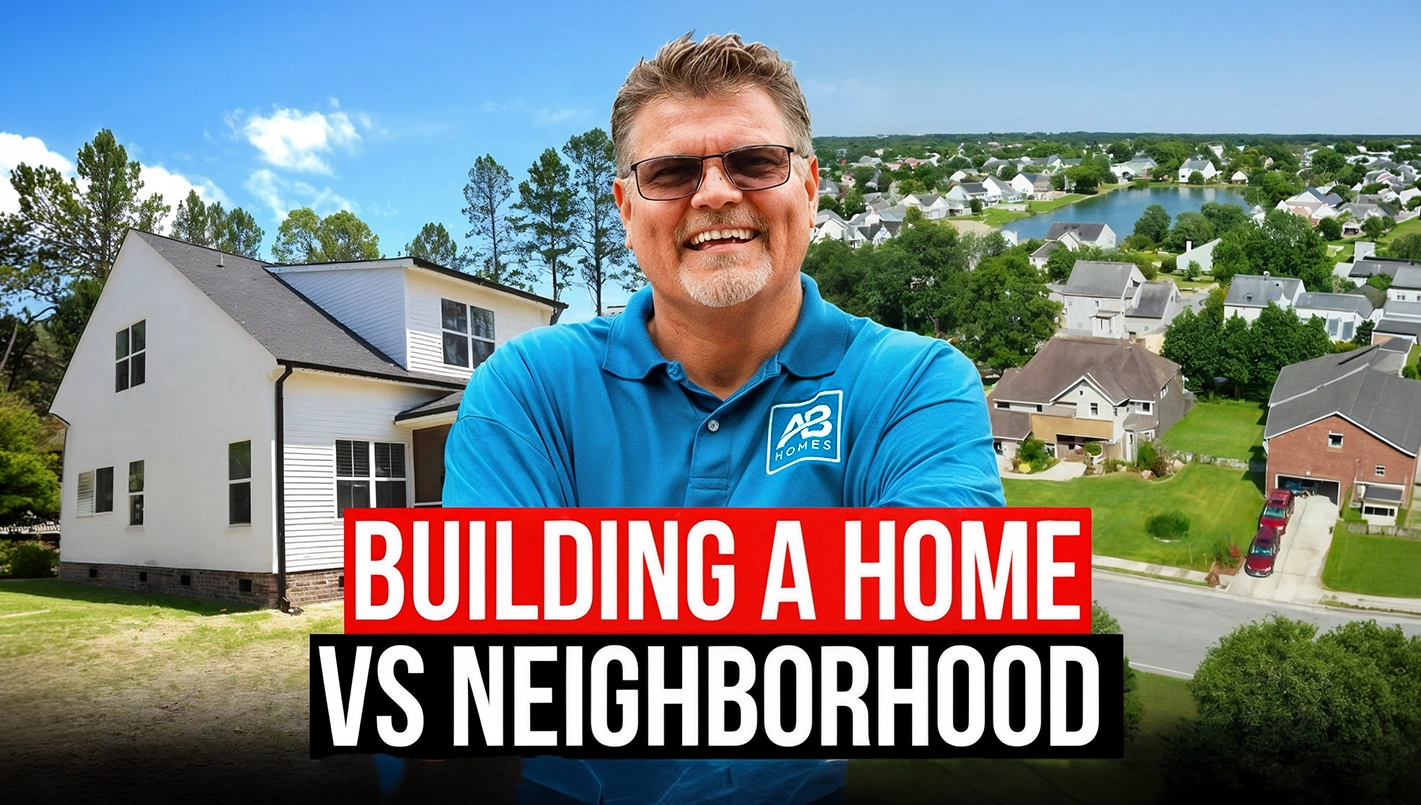
building a custom home in the country vs living in a neighborhood.
Both options have their benefits. The key is understanding what each lifestyle actually looks like day to day.
What Living in a Neighborhood Really Looks Like
For a lot of people, living in a neighborhood just makes sense.
Neighborhoods are typically designed around convenience and community. Homes are close together, streets are paved and everything feels structured and organized.
Some common advantages of neighborhood living include:
- Built-in Community
If you have young kids or plan to in the future, neighborhoods can feel ideal. Children can ride bikes in cul-de-sacs, walk to friends’ houses and grow up around other families.
- Faster Move-in Time
Many neighborhood homes are already built and close to completion. If you’re on a timeline and need to move quickly, this is often the easiest option.
- Predictable Lifestyle
Neighborhoods are usually close to:
- Schools
- Grocery stores
- Gyms
- Restaurants
- Parks
Everything feels accessible and daily routines are simple.
However, there are some things people don’t always consider until they’ve already moved in.
The Trade-Offs of Neighborhood Living
Most modern neighborhoods come with HOAs (Homeowners Associations) or POAs (Property Owners Associations). These groups set rules about what you can and can’t do with your property.
This can include:
- Fence restrictions
- Parking rules
- Limits on outdoor structures
- Guidelines for landscaping or paint colors
For some people, that structure feels helpful. For others, it feels limiting.
Another factor is lot size. Neighborhood lots are usually smaller, which means:
- Less privacy
- Homes closer together
- Limited outdoor space
If you enjoy quiet, open space or the idea of truly owning land, neighborhoods can start to feel a little boxed in.
The Reality of Building a Custom Home in the Country
This is where rural living comes in.
Instead of fitting into an existing community, you’re starting with land and building something designed entirely around you.
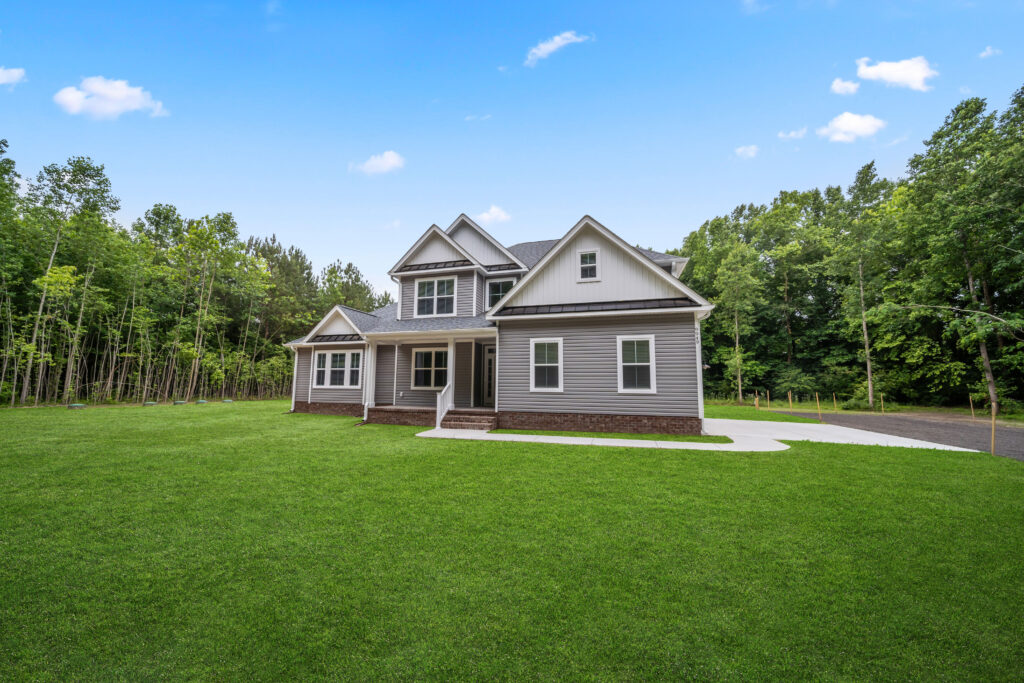
Custom rural homes in Suffolk, VA are often built on half-acre or larger lots, which changes the experience completely.
- More Space and Privacy
With more land, you get:
- Distance from neighbors
- Quiet surroundings
- Room for outdoor living
- Space for future additions
It feels less like “housing” and more like having your own place in the world.
- No HOAs or Deed Restrictions
One of the biggest benefits of rural custom building is freedom.
No HOA.
No POA.
No one tells you what you can or can’t do with your property.
You control:
- Your layout
- Your exterior
- Your land use
- Your lifestyle
It’s your home, not a rulebook.
- Total Control Over Your Home Design
When you build a custom home, you’re not buying someone else’s decisions. You’re making your own.
You choose:
- The floor plan
- Room sizes
- Kitchen layout
- Bathrooms
- Storage
- Outdoor spaces
Instead of adjusting your life to a house, the house is designed around your life.
HOA vs No HOA: How Much Control Do You Want?
This is often the biggest deciding factor for buyers.
With neighborhood living, you usually agree to a set of rules that apply to everyone. That creates consistency, but it also limits flexibility.
With rural custom living, there’s no governing association. You’re free to:
- Add structures
- Change landscaping
- Expand later
- Personalize your space
For buyers who value independence and long term flexibility, this alone is enough to choose custom rural living.
Is Building a Custom Home More Expensive?
This is one of the most common myths.
Most people assume that building custom automatically means luxury pricing. In reality, when you compare it to new construction homes in a neighborhood, building a custom home often doesn’t cost much more as people expect. Especially when you factor in similar square footage, finishes and the upgrades that are typically added onto neighborhood homes.
- Renovations you would make to a resale home
- Layout changes you might want later in a new neighborhood build
- Features you would upgrade anyway in either scenario
When you build custom, your budget goes directly into what you actually care about. You are not paying for someone else’s design decisions, builder markups on standard upgrades, or future remodeling projects.
With a new construction home in a neighborhood, you may still face:
- Premium costs for builder options and upgrades
- Compromises on layout or finishes that do not match your preferences
- Additional expense to alter floor plans or customize features after the fact
When you build custom, you are investing upfront in a home that fits you from day one. You do not pay extra for features you will want to change, and you gain control of quality, design, and long-term satisfaction.
Who Should Choose a Neighborhood Home
Neighborhood living is usually a good fit if you:
- Want close neighbors and community
- Have young kids or plan to
- Prefer quick move-in
- Don’t mind HOA rules
- Value convenience over space
For many families, neighborhoods offer simplicity and structure.
Who Should Consider a Custom Rural Home?
Custom rural living tends to make sense if you:
- Want more land and privacy
- Prefer fewer restrictions
- Plan to stay long term
- Want control over your home design
- Value freedom and space
If you see your home as a long term lifestyle decision, not just a purchase, custom building often feels more fulfilling.
How a Custom Home Builder in Suffolk, VA Can Help
Building a custom home does involve more planning than buying a move-in-ready house. But with the right builder, the process becomes much more manageable.
AB Homes is a local custom home builder in Suffolk, VA that focuses on rural construction and helps guide homeowners through the entire build process, including:
- Choosing or sourcing land
- Designing floor plans
- Handling permits and approvals
- Managing construction
- Coordinating inspections
- Delivering a finished home
Instead of trying to figure everything out by yourself, you’re supported from start to finish.
Final Thoughts: It’s a Lifestyle Decision
At the end of the day, the choice between building custom and living in a neighborhood isn’t just about real estate. It’s about how you want to live.
Neighborhood living offers:
Convenience
Community
Faster timelines
Predictability
Custom rural living offers:
- Space
- Privacy
- Freedom
- Personalization
Neither option is better for everyone. But one will almost always feel more aligned with your lifestyle.
Once you decide how you want your everyday life to look, the right home choice becomes much clearer.