A lot of people start thinking about a build on your lot project after months of feeling frustrated with the housing market. You tour home after home, hoping something finally feels right, but there’s always a compromise somewhere. Maybe the house feels outdated, the layout doesn’t work for your family, the lot feels cramped, or the price simply doesn’t match what you’re getting.
Eventually, a different idea starts sounding more appealing: what if you stopped settling and built something that actually fit your life?
That’s why so many buyers around Suffolk, Chesapeake, Smithfield, Franklin, Isle of Wight, Windsor, Ivor, and Southampton County are starting to explore building on their own land. For many people, it’s less about chasing a perfect house and more about finally creating a home that actually fits their lifestyle, priorities, and long-term plans instead of constantly compromising.
For some families, that means having enough space for kids and dogs to run around without feeling packed into a subdivision. For others, it’s finally having room for a detached garage, a workshop, extra parking, or a backyard that feels usable instead of cramped.
And honestly, it’s easy to see why the idea feels exciting. For a lot of families, it’s the first time the idea of “home” starts feeling personal again instead of feeling like another compromise.
But here’s the part most buyers don’t realize until they’re already deep into the process: buying the land is often the easiest part. What catches people off guard are the details that come afterward, septic approvals, utility access, site prep, zoning restrictions, financing, grading, permits, and timelines.
None of that means building on your lot is a bad idea. In fact, for many families, it ends up becoming one of the most rewarding decisions they make because they finally end up with a home that actually fits the way they want to live. The key is understanding what you’re walking into before you buy the land, not after.
Why More Buyers Are Choosing Build on Your Lot Homes in Suffolk, VA
For many families, building on their own land simply offers something hard to find in today’s housing market: flexibility.
A lot of buyers are tired of walking through homes where everything feels packed tightly together. The houses may technically check the boxes online, but in person, the lots feel small, the neighbors feel close, and the home still needs updates after already stretching the budget.
Building on your own land completely changes that feeling.
Instead of trying to make your life fit into an existing home or a traditional neighborhood setup, you get the opportunity to create something around your actual lifestyle. Maybe you want a larger front porch, extra storage space, a dedicated home office, or enough land for future plans down the road. Or maybe you’re simply craving a little peace and quiet at the end of the day instead of hearing traffic and neighbors the second you step outside.
That’s a huge reason buyers are looking toward the more rural parts of Southeastern Virginia. Areas around Suffolk and Isle of Wight still offer opportunities for larger lots, more privacy, and homes that don’t feel squeezed into a crowded neighborhood.
And for a lot of buyers, that starts feeling a whole lot better than stretching the budget for an older home that still needs work after move-in.
The Biggest Mistake Buyers Make When Buying Land
One of the most common mistakes buyers make is assuming cheap land automatically means a cheaper build.
But this is where a lot of buyers get caught off guard. You might find five or ten acres online at what looks like an incredible price and think you found the perfect opportunity.
But there’s usually a reason some land is priced lower than nearby properties. Before buying land, you need answers to a few important questions because these are the things that can completely change your budget.
Does the Property Have Access to Utilities?
This is one of the biggest areas where buyers underestimate the costs:
You need to know:
- Is public water available?
- Will you need a private well?
- How far away are the electrical lines?
- Is internet access available?
- How far is the homesite from the road?
A lot of people think about getting utilities to the edge of the property. What many people don’t realize at first is that running utilities all the way back to the actual homesite can become surprisingly expensive, especially if you’re building farther off the road for privacy.
Depending on the location of the property, public utilities may not be as straightforward as buyers expect. The farther the house sits from the road, the more those costs start adding up.
Septic Systems, Soil Conditions, and Why “Perk Tests” Matter
If the property is not connected to a public sewer, you’ll need an onsite septic system.
And in areas around Suffolk, Franklin, Isle of Wight, and Southampton County, that’s very common.
Before building, the land usually needs a soil evaluation or perc test. That’s what people mean when they ask: “Does the land perk?”
The soil conditions determine what type of septic system can be installed and, in some cases, even how large the home can be.
For example, a buyer may want to build a four-bedroom home, but the septic approval may only support a smaller system.
That’s the kind of information you want before closing on the property, not after.
Site Prep Costs Add Up Faster Than Most Buyers Expect
This is another area that surprises people.
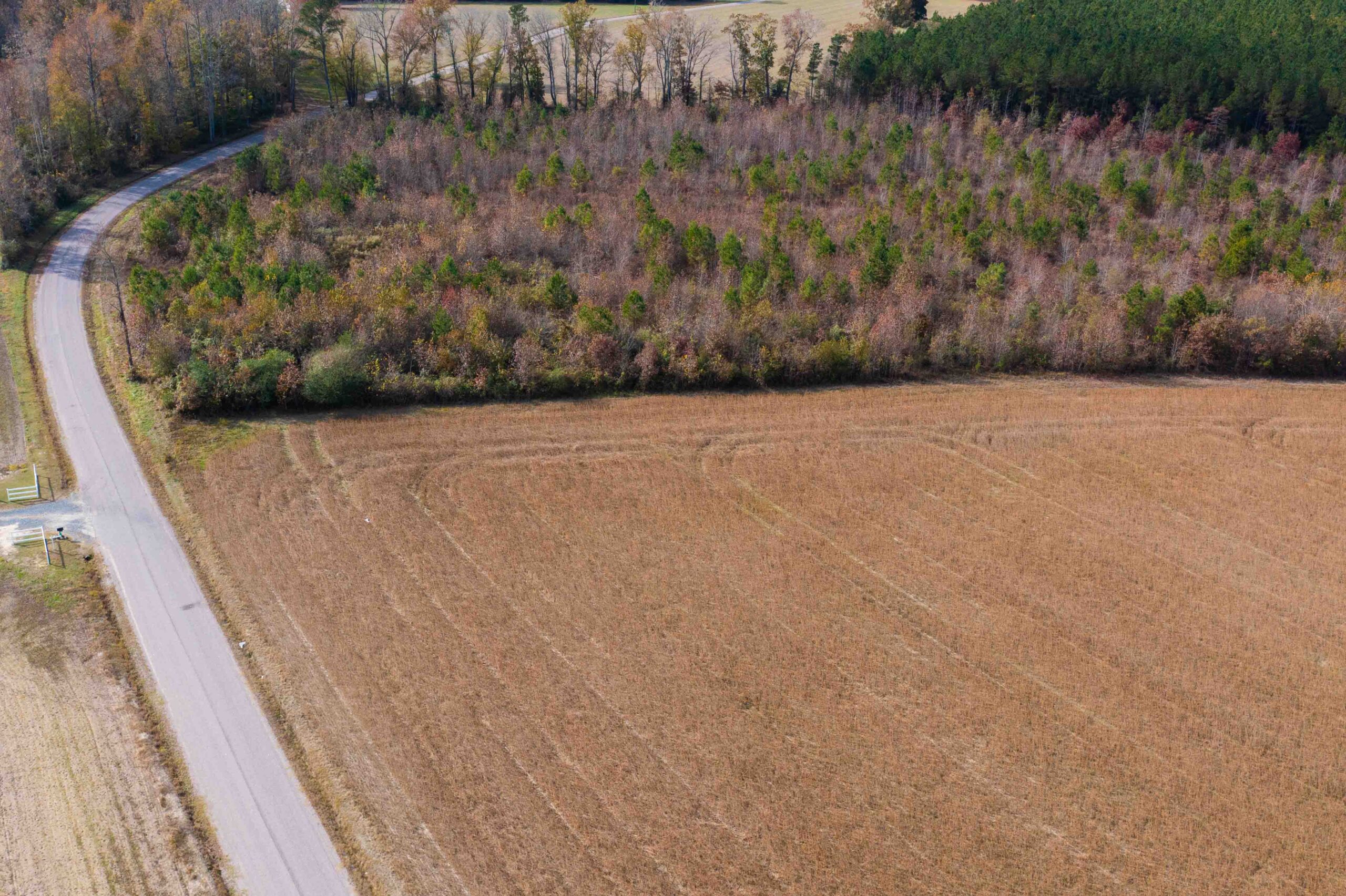
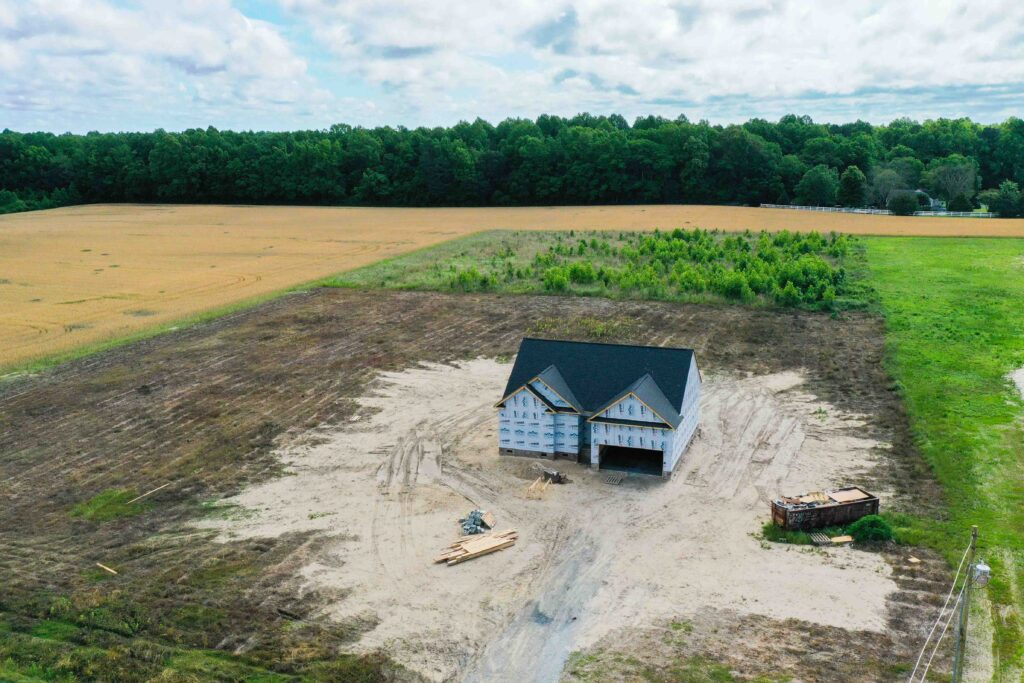
A property may look beautiful when you first walk it, but building on raw land often involves far more preparation than buyers expect.
Things like:
- Tree clearing
- Grading
- Drainage work
- Driveway installation
- Culverts
- Gravel or stone access roads
can quickly increase the total cost of the project.
Wooded lots are a great example. They feel peaceful, private, and secluded. But heavily wooded land can require significant clearing before construction even begins.
If the homesite is far from the road, you may also need a long driveway installation before equipment can even access the property. And those are the kinds of costs buyers usually don’t think about until they’re already emotionally invested in the property.
Zoning, Setbacks, and Restrictions Most Buyers Never Think About
A lot of people assume buying rural land means they can do whatever they want with it. That’s not always true.
Even in more rural areas, there can still be zoning restrictions, setbacks, easements, and neighborhood covenants.
That can impact:
- Where the house can sit on the property
- Whether detached garages or workshops are allowed
- Minimum square footage requirements
- Driveway placement
- Accessory buildings and storage structures
This is where buyers sometimes run into problems because they fall in love with a floor plan before understanding whether it actually works on the property they’re buying.
A lot can look perfect at first glance, but once you start factoring in septic placement, setbacks, slopes, drainage, and easements, the usable build area can end up looking very different than expected. A property may technically have acreage, but that doesn’t always mean every part of the land is realistically buildable.
That’s why working with an experienced builder early in the process matters so much.
A good builder is not just there to build the house. They can help you evaluate whether the land itself actually supports the vision you have in mind, which is why many buyers choose to work with a team experienced in building on your own land before purchasing property. That can mean walking the property with you, discussing utility access, identifying possible grading concerns, explaining site prep requirements, and helping you understand which floor plans realistically fit the land.
Those early conversations can save buyers from making decisions based purely on excitement before they fully understand what the land actually requires.
Is Building on Your Own Land Actually Cheaper?
This is probably one of the biggest questions buyers ask. And the honest answer is: sometimes it is.
But not always.
By the time you factor in:
- Land purchase costs
- Site prep
- Septic systems
- Utilities
- Permits
- Clearing and grading
- Construction
- Driveway installation
building can cost just as much, or sometimes more than buying an existing home. The difference is that now you’re building something around your life instead of trying to squeeze your life into a home that was designed for someone else.
For many buyers, especially those looking for more space and privacy in Suffolk and surrounding areas, that tradeoff is worth it.
Construction Loans Work Differently Than Traditional Mortgages
Another thing many buyers don’t realize is that financing land and financing a custom home are two completely different processes.
A traditional mortgage approval does not automatically mean you’re ready to build.
Construction loans typically require:
- Home plans
- A builder
- Detailed budgets
- Project timelines
The funds are then distributed in stages as construction progresses. And when it comes to raw land, lenders often consider it higher risk than an existing home.
That can sometimes mean:
- Larger down payments
- Different approval requirements
- Stricter lending standards
That’s why it’s smart to speak with both a builder and a lender early in the process. Understanding your real numbers upfront makes it much easier to figure out what type of property actually fits your budget.
Building on Land Takes Longer Than Most Buyers Expect
One of the biggest mindset shifts buyers need to make is understanding the timeline. Building on your own land is rarely a quick process.
Even after finding the right property, there’s still:
- Surveys
- Soil evaluations
- Septic approvals
- Permit approvals
- Site clearing
- Grading
- Utility setup
And only after that does construction truly begin.
Weather delays, permitting timelines, and land conditions can all affect how long the process takes.
Buying an existing home is usually faster. Building takes patience, flexibility, and a little more planning. But for the buyers who truly want privacy, space, flexibility, and a home that feels personal to their family, the wait often ends up being worth every bit of the process.
Don’t Rush Into Buying the Wrong Piece of Land
One of the biggest mistakes buyers make is rushing into a land purchase because they’re afraid they’ll miss out on the property.
They see the trees, the privacy, the open space, or the view and they immediately start imagining the home they could build there. And honestly, that excitement is completely understandable.
But this is where buyers can get themselves into trouble. At that point, many people still don’t know what site prep will cost, whether the property perks properly, how utilities will be installed, whether setbacks affect the build area, or if the floor plan they want will realistically fit the land.
And unfortunately, some buyers only discover those problems after they already own the property.
That’s why asking questions early matters so much. The goal is not simply to buy land. The goal is to buy the right piece of land for the life you’re actually trying to build.
Thinking About a Build on Your Lot Project in Suffolk, VA?
If you already own land or you’re thinking about buying a land and building in Suffolk, Chesapeake, Isle of Wight, Smithfield, Franklin, Windsor, Ivor, Southampton County, or surrounding areas, talking to a builder early can save you time, stress, and expensive surprises.
At AB Homes, the process starts long before construction. That can include walking the property with you, helping you understand utilities and septic considerations, reviewing realistic floor plan options, and helping you determine whether the land truly makes sense for your goals.
Because the right piece of land really can turn into an incredible home and lifestyle for your family. You just want to make sure you understand what you’re buying before you buy it.